
Check out our latest products
![[K-Beauty] Rose Vitamin Oil to Foam | Daily Face Wash Oil Based Cleanser | Korean Rose Oil Foaming Face Cleanser | Hydrating Facial Cleanser for Dry Sensitive Skin (3.88 oz)](https://i1.wp.com/m.media-amazon.com/images/I/71sX7yIuXRL._SL1500_.jpg?w=300&resize=300,300&ssl=1)


Taking a screenshot on your Android device sounds like a simple task—you just hit a few buttons and the screen is saved to your phone, right? However, Android devices are not as uniform as the iPhone, so methods differ depending on the manufacturer and OS version. Phones from Samsung and Google have built-in screenshot capabilities, and software updates often add more features over time. Here’s how to take a screenshot on your Android phone.
How to Take a Screenshot on Any Android Phone
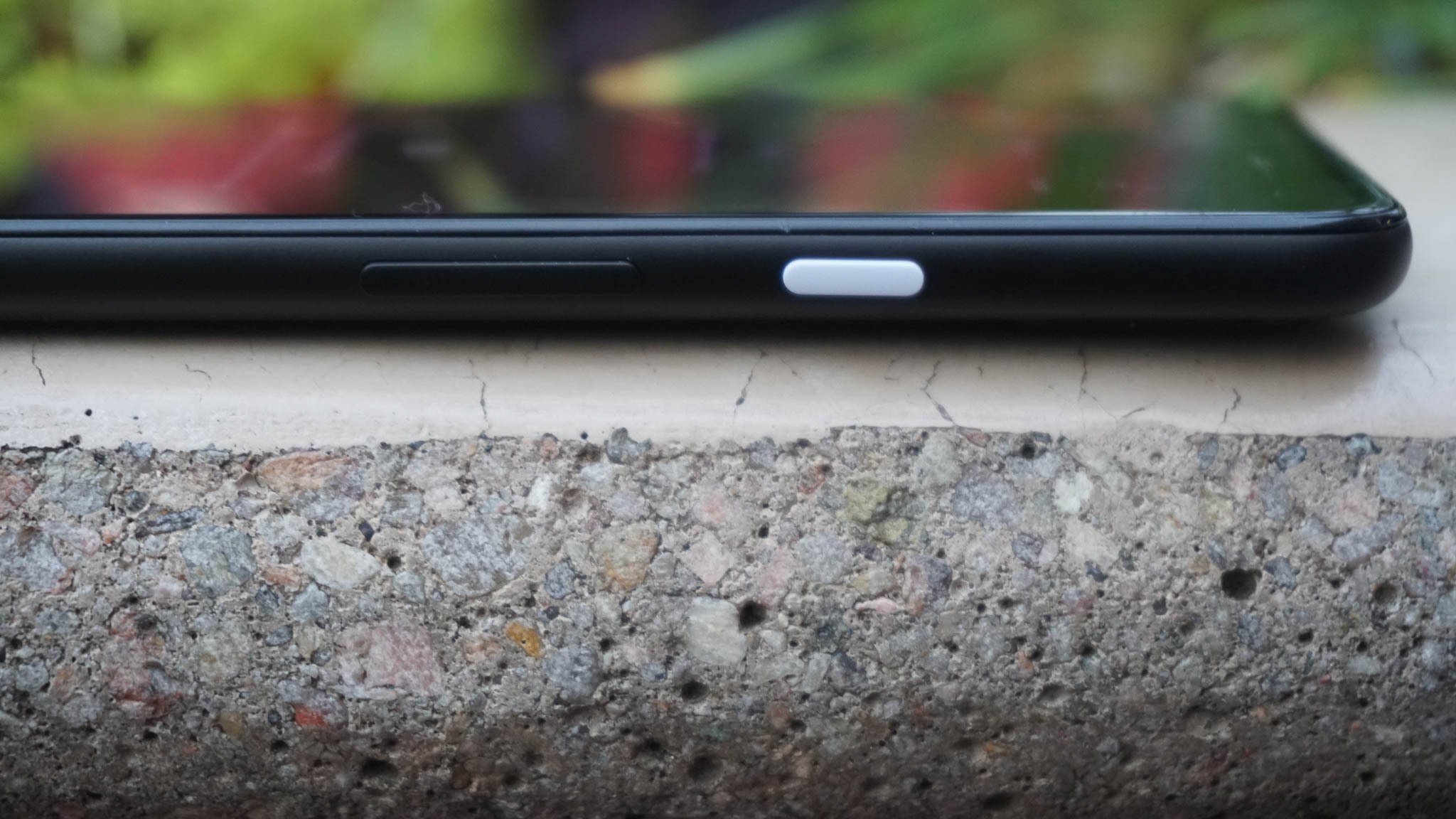
Most recent Android devices have standardized the screenshot action to pressing the Power and Volume Down buttons simultaneously. Others may have you press down on the Power button, then select Screenshot from the menu. Older phones with a physical Home button on the front may require you to press the Power and Home buttons together.
You can also use Google Assistant, Google Gemini, or Samsung’s Bixby to take a screenshot. Say something like “OK Google, take a screenshot” and the action is completed.
(Credit: Steven Winkelman)
On a Pixel phone, open to your recently opened apps, then tap the Screenshot button to capture the current app. New for the Pixel 9 lineup is the Pixel Screenshots app, which uses machine learning to organize your screenshots and pull out relevant details, like URLs, keywords, addresses, and translated text.
For Samsung Galaxy devices using the S Pen stylus, you can hold down the button on the S Pen and scribble across the screen to take a screengrab. Another way is to remove the pen from the phone, tap Smart Select from the menu, then choose a square, free, or circle capture area and draw to capture the screen. Additional options under Settings > Advanced features > Screenshots and screen recordings let you hide status and navigation bars, change file formats, and more

(Credit: Molly Flores)
By default, a screenshot will capture whatever is currently on the screen. If you want to capture an entire page, including outside what is currently visible, you’ll need to take a scrolling screenshot. Standardized in Android 12, all you need to do is take a screenshot, then wait for the screenshot toolbar to appear.

(Credit: Google)
For devices running standard Android 12 or higher, like Google Pixel phones, tap the Capture more button and drag the screenshot window until it captures the entire page. When ready, tap Save to finalize the screenshot. On a Samsung Galaxy device, tap the double down arrow icon to expand the screenshot by one screen. You can continue pressing the same button to add as many screens as needed.

(Credit: PCMag / Samsung)
How to Take a Screenshot With Gestures
Your Android phone will also allow you to take a screenshot with certain gestures. However, the specific hand movement required will differ by manufacturer. The Pixel 4a 5G, and later phones, have access to Quick Tap, a feature similar to Apple’s Back Tap. Go to Settings > System > Gestures > Quick Tap, then enable Quick Tap and set the associated action to Screenshot. You can then take a screenshot by double-tapping on the back of your phone.
Recommended by Our Editors
For Samsung Galaxy users, navigate to the screen you want to capture, then position your hand like you plan to karate chop the phone. Swipe the entire side of your hand along the screen from left to right. Set this up (or turn it off) in Settings > Advanced Features > Motion and gestures > Palm swipe to capture.
If you want an easy-to-use button overlay, turn on the Accessibility Menu that will introduce a floating button for options to take a screenshot, navigate your screen, control the volume, power off the device, and more. You can activate this feature from Settings > Accessibility > Interaction and dexterity (Samsung) or Settings > Accessibility > Accessibility Menu (Pixel) and enable Assistant menu.

(Credit: PCMag / Samsung)
How to Use the Android Screen Recorder
If you’re having trouble getting a shot of a specific screen, you may have better luck using the built-in screen recorder feature. Anyone running Android 11 or higher can open the quick settings menu of the phone and tap Screen recorder, then Start recording to record your screen. Once the video is captured, just take a screenshot of the video.

 How to Take Screenshots on a Mac

Like What You’re Reading?
This newsletter may contain advertising, deals, or affiliate links.
By clicking the button, you confirm you are 16+ and agree to our
Terms of Use and
Privacy Policy.
You may unsubscribe from the newsletters at any time.

About Jason Cohen
Senior Editor, Help & How To

Read the latest from Jason Cohen


![[ 8 Pack ] Plastic Storage Baskets With Lids, Small Pantry Organization, Stackable Storage Bins, Household Organizers for Cabinets, Countertop, Drawers, Under Sink or On Shelves,Gray](https://i1.wp.com/m.media-amazon.com/images/I/81NMRFDwXYL._AC_SL1500_.jpg?w=300&resize=300,300&ssl=1)
![[Luxury] Kitchen Soap Dispenser Set – 16OZ Black Glass Bottle, Stainless Steel Pump, Instant Dry Tray, Waterproof Labels, Non-Slip Silicone Pad, and Dish Brush | Upgrade for Your Kitchen and Bathroom](https://i3.wp.com/m.media-amazon.com/images/I/71TQcJWiGtL._AC_SL1500_.jpg?w=300&resize=300,300&ssl=1)